We buy and sell recyclable plastic and plastic for recycling. We trade in scrap plastic, virgin, non-standard and shredded granules and additives for plastic. With our extensive experience and our desire to expand and grow, we can buy and sell all over the world.
Our activities include the purchase and sale of all kinds of plastic material coming from the industrial, fishing, agricultural and FMCG sectors.
WE COMMERCIALIZE AND SALE:
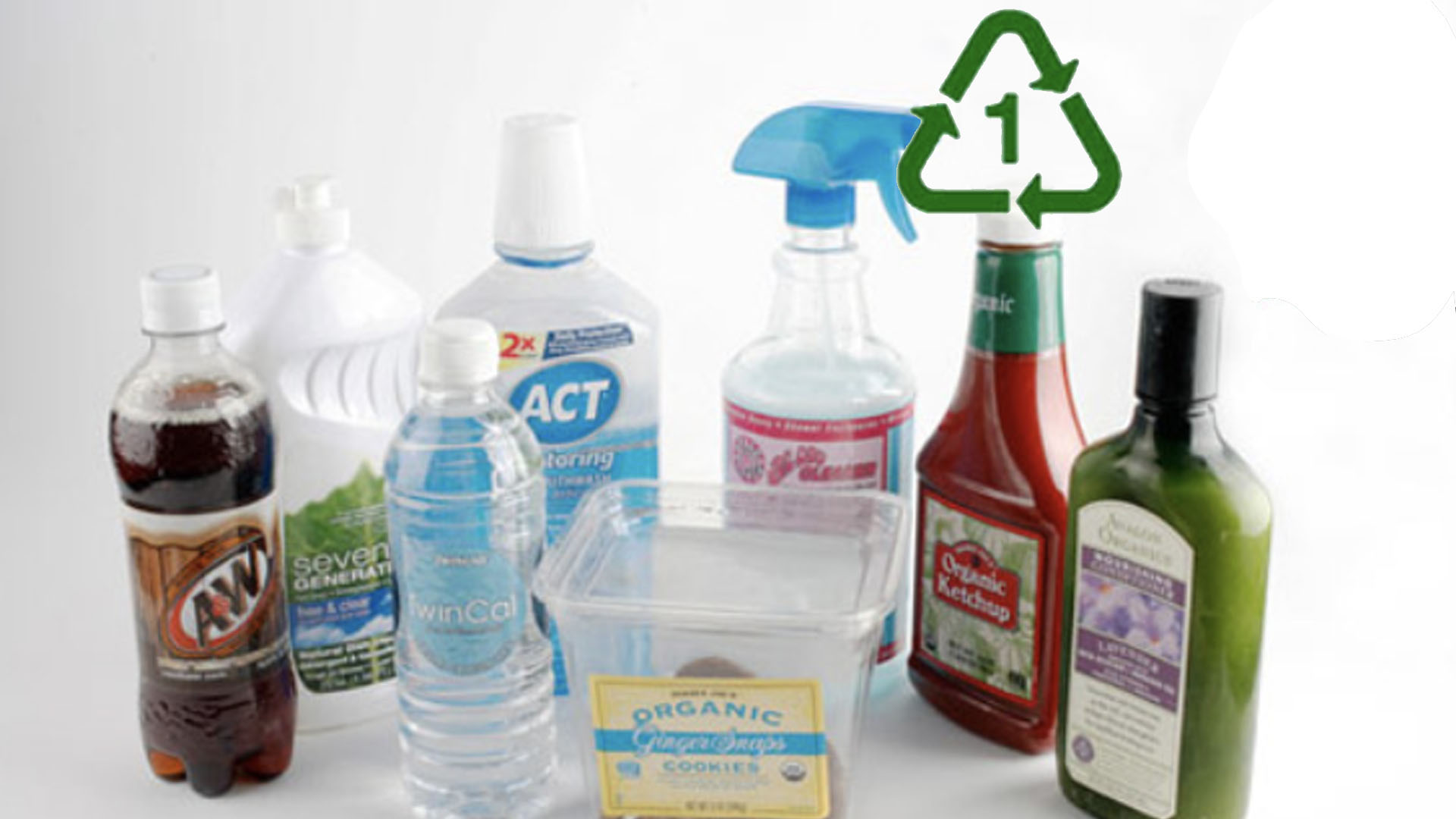
PET
[PET] Polyethylene terephthalate.
PET in its natural state is a colorless, semi-crystalline resin. Based on how it is processed, PET can be semi-rigid to rigid, and it is very lightweight. It makes a good gas and fair moisture barrier, as well as a good barrier to alcohol (requires additional “barrier” treatment) and solvents.
It is strong and impact-resistant. PET becomes white when exposed to chloroform and also certain other chemicals such as toluene.
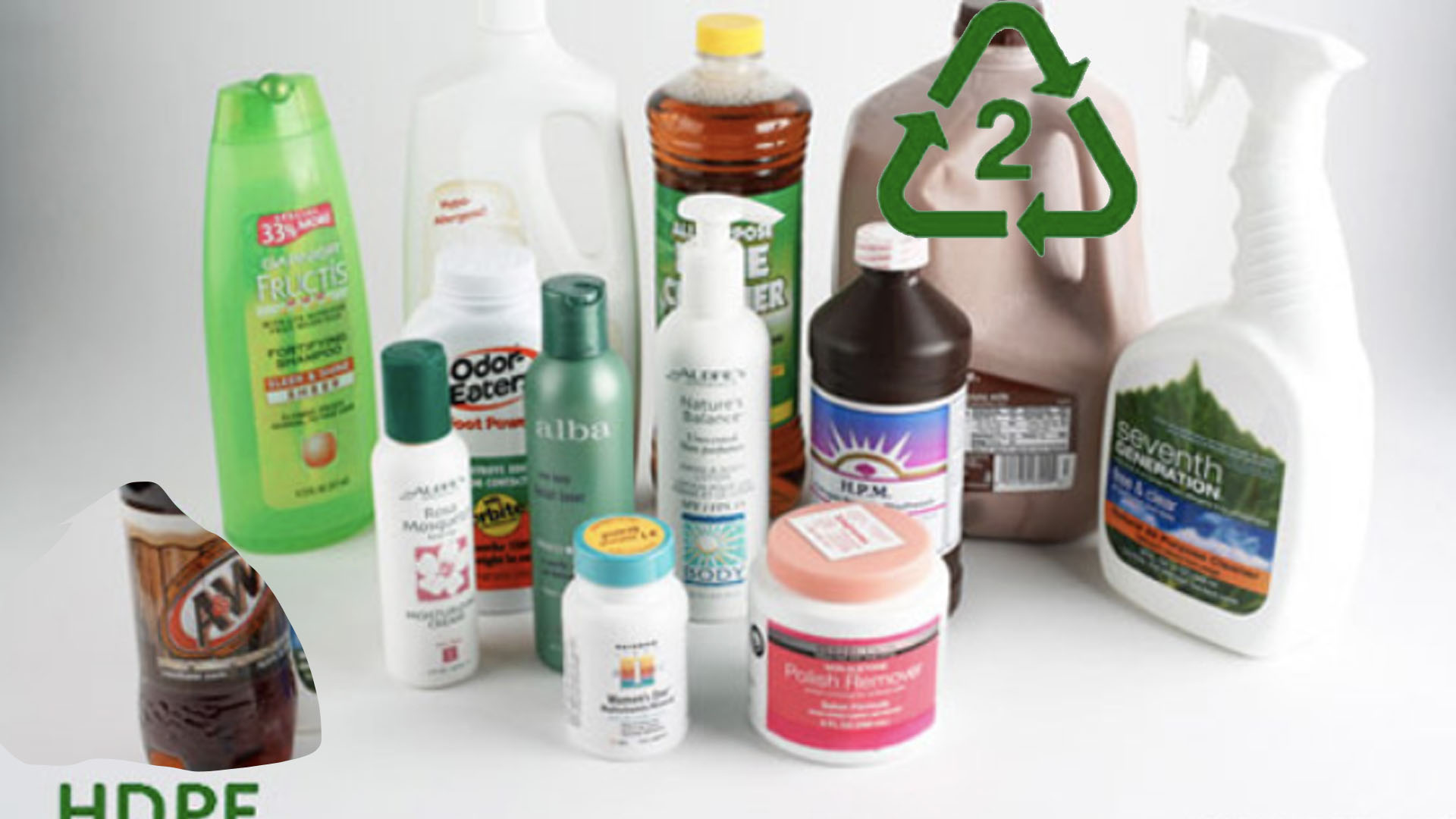
HDPE
[HDPE] High-density polyethylene.
High-density polyethylene (HDPE) or polyethylene high-density (PEHD) is a polyethylene thermoplastic made from petroleum. It is sometimes called “alkathene” or “polythene” when used for pipes.
With a high strength-to-density ratio, HDPE is used in the production of plastic bottles, corrosion-resistant piping, geomembranes, and plastic lumber. HDPE is commonly recycled, and has the number “2” as its resin identification code (formerly known as recycling symbol).
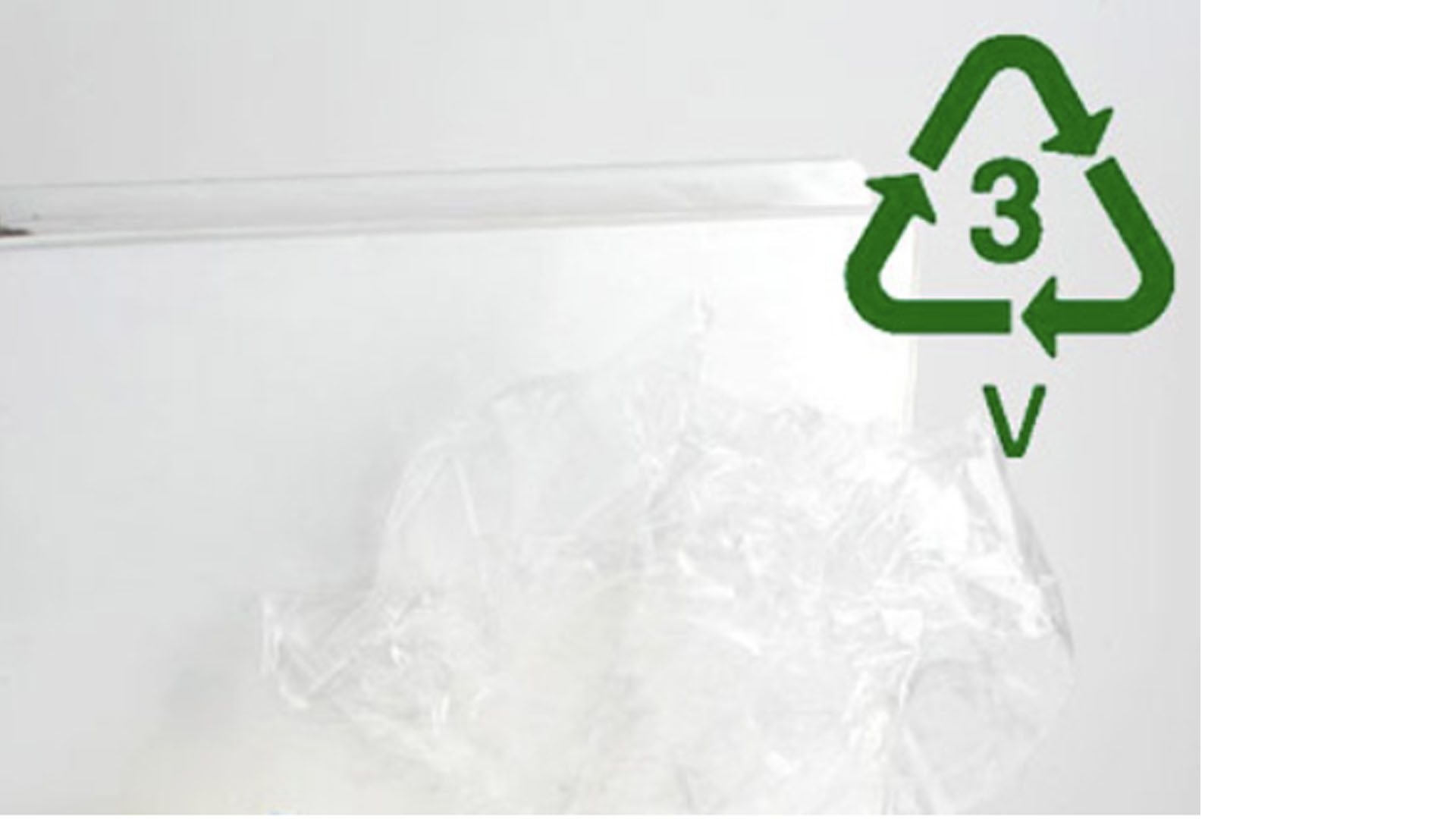
PVC
[PVC] Polyvinyl chloride.
Polyvinyl chloride, more correctly but unusually poly(vinyl chloride), commonly abbreviated PVC, is the third-most widely produced synthetic plastic polymer, after polyethylene and polypropylene.
PVC comes in two basic forms: rigid (sometimes abbreviated as RPVC) and flexible. The rigid form of PVC is used in construction for pipe and in profile applications such as doors and windows. It is also used for bottles, other non-food packaging, and cards (such as bank or membership cards).
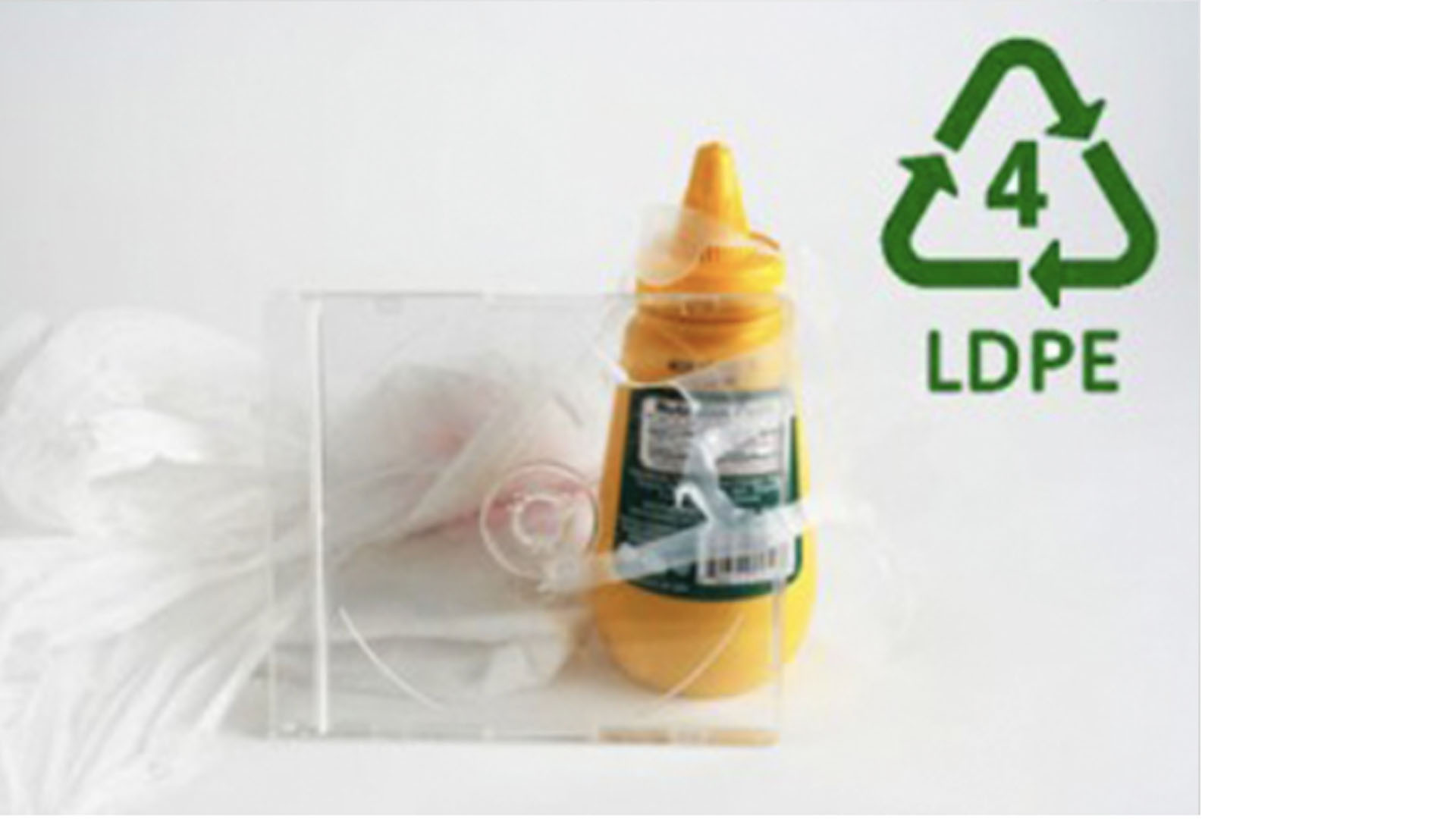
LEPD
[LDPE] Low-density polyethylene.
Low-density polyethylene (LDPE) is a thermoplastic made from the monomer ethylene. LDPE has more branching (on about 2% of the carbon atoms) than HDPE, so its intermolecular forces (instantaneous-dipole induced-dipole attraction) are weaker, its tensile strength is lower, and its resilience is higher.
LDPE is widely used for manufacturing various containers, dispensing bottles, wash bottles, tubing, plastic bags for computer components, and various molded laboratory equipment. Its most common use is in plastic bags.